Bin Zafra: Jewelry and Luxury Prayer Beads Sector a Promising Pillar of Saudi Arabia’s Luxury Economy
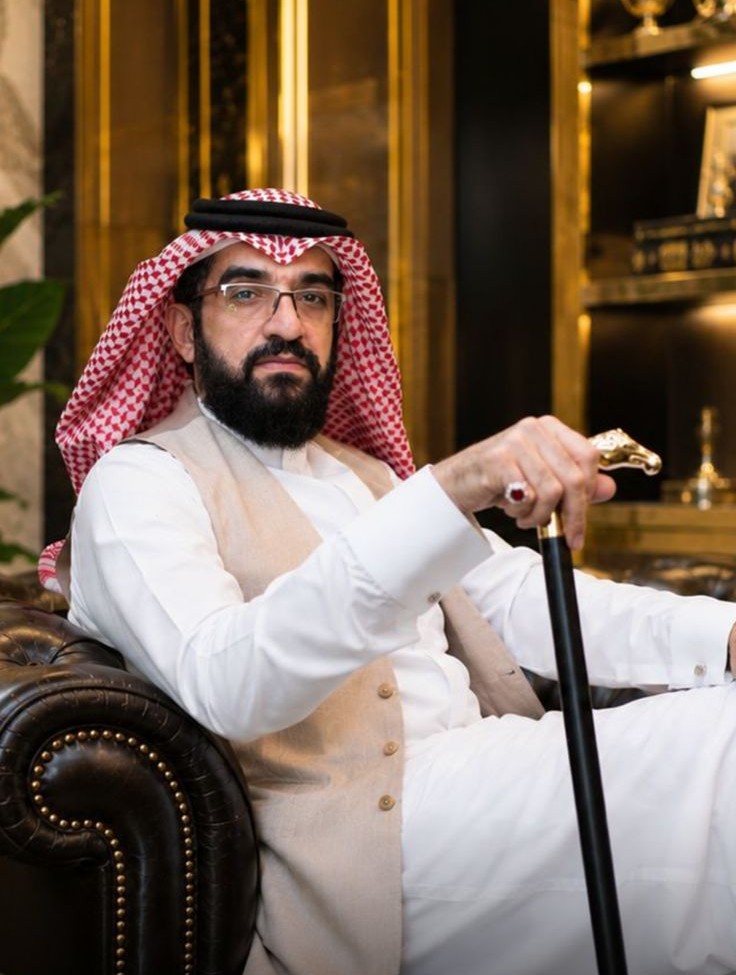
RIYADH-KSA-11May2026 – Engr. Arif Bin Zafra, jewelry and gemstone expert and CEO of TAD Group, emphasized that the luxury goods market in Saudi Arabia is undergoing a radical transformation. This shift aligns with the goals of Saudi Vision 2030 to diversify the economic base and enhance local content. He noted that the Kingdom is not only the largest purchasing power in the region but is rapidly becoming a regional hub for luxury innovation tied to national identity.
From Consumption to Cultural Investment
Bin Zafra pointed out that the jewelry sector is no longer just a traditional commercial field; it has become a vital investment channel contributing to the retail sector—one of the key pillars of non-oil GDP. “We are witnessing a maturity in Saudi consumer behavior, where luxury collectibles are viewed as assets with both investment and heritage value. This strengthens the sustainability and growth of this sector, which is estimated to be worth tens of billions annually, supported by an advanced legislative and regulatory environment,” he added.
Luxury Prayer Beads: Reviving Heritage with Global Vision
In a related context, Bin Zafra praised the fundamental role of the Heritage Commission in reviving traditional crafts and institutionalizing them on a global scale. He revealed a qualitative leap in the “Luxury Misbaha” (prayer beads) market, confirming they now compete with international luxury watches as a top choice for prestigious official and personal gifts due to their close link to Saudi identity.
“Prayer beads made from amber and rare materials are not just accessories; they are ‘heritage masterpieces’ reflecting the Kingdom’s cultural depth,” Bin Zafra said. “We are working to develop this product as an ambassador for Saudi identity worldwide, in line with state-sponsored initiatives to transform cultural heritage into a sustainable economic resource.”
Geographical Distribution and Gift Economy Growth
Based on recent economic indicators, Bin Zafra explained that Riyadh continues to lead as a global luxury hub, followed by Jeddah and Al-Khobar. He noted that the “Gift Economy” is evolving significantly; gifts represent approximately 60% of purchases by women and 40% by men. Meanwhile, personal acquisition of luxury pieces and prayer beads among men is recording steady growth of up to 70%, highlighting the connection between luxury products and the modern Saudi lifestyle.
Future Outlook: From Local to Global
Bin Zafra concluded by stressing that ambitions extend beyond the local market: “Thanks to government support for national enterprises and programs like ‘Made in Saudi,’ we now have the capacity to compete internationally. Pieces carrying Saudi heritage themes are beginning to attract global consumers, opening new horizons for exporting Saudi culture through high-quality luxury products.”