Riyadh–Damascus Economic Cooperation Opens New Investment Horizons and Lays the Foundations for a Shared Future
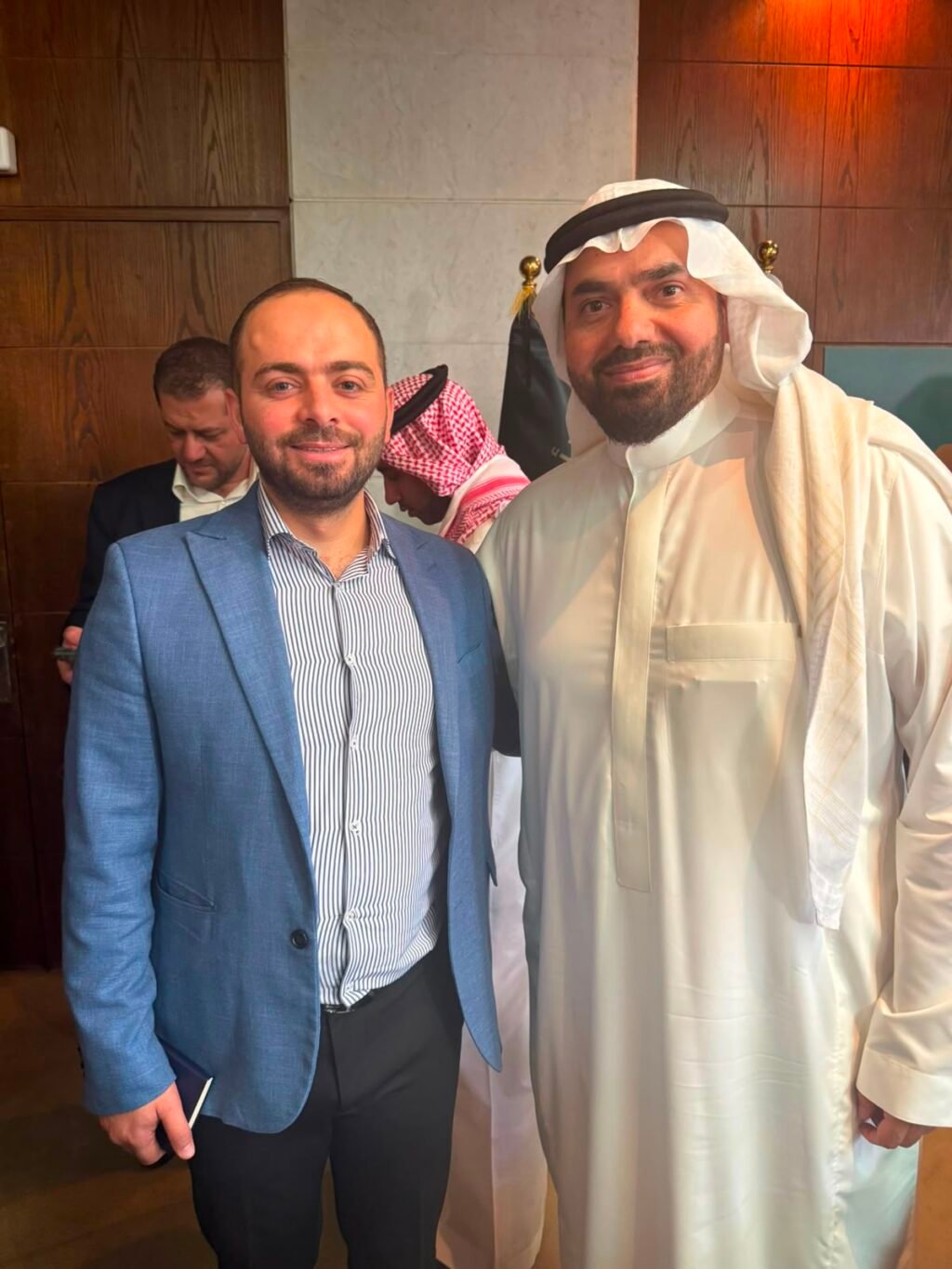
Businessman Nabil Al‑Mazloum affirmed that relations between the Kingdom of Saudi Arabia and the Syrian Arab Republic are entering an advanced phase of economic and investment cooperation, reflecting the direction of the leaderships of both countries toward strengthening stability, accelerating development, and opening new horizons for the private sector in both markets.
Al‑Mazloum praised the role of the Kingdom, under the leadership of the Custodian of the Two Holy Mosques King Salman bin Abdulaziz and Crown Prince and Prime Minister Mohammed bin Salman bin Abdulaziz, in supporting stability, development, and Arab cooperation. He noted that the current phase represents an important opportunity to rebuild strong economic and trade ties between Saudi Arabia and Syria.
He stated that Syria is entering a new phase of economic recovery, with expanding investment opportunities across industry, agriculture, tourism, energy, infrastructure, real estate, services, telecommunications, and transportation—sectors capable of forming a strong foundation for long‑term partnerships between Saudi and Syrian business communities.
Al‑Mazloum highlighted that economic relations have recently progressed beyond meetings and discussions toward the signing of contracts and the implementation of actual projects. In February 2026, Damascus witnessed the signing of several strategic agreements between Saudi companies and Syrian government entities in aviation, telecommunications, infrastructure, and development initiatives.
He added that cooperation has expanded into strategic energy projects. In August 2026, the Syrian Electricity Company signed three agreements with a Saudi company to implement solar‑energy projects in the Wadi Al‑Rabee area in the Damascus countryside, with a combined capacity of 760 megawatts, along with battery‑storage systems totaling 1,077 megawatts. Two technical cooperation agreements were also signed with Saudi Electricity Company and Siemens Energy.
Al‑Mazloum emphasized that these projects reflect the transformation of economic relations into long‑term productive partnerships and open the door for more Saudi companies to enter the Syrian market.
He also pointed to the opening of the Saudi “Tasheer” visa service center in Damascus on August 23, 2026, describing it as a practical step toward facilitating the movement of individuals, businesspeople, and trade between the two countries. The center provides visa services for Syrians, including biometric registration through digital platforms, and receives applications related to goods movement and passenger transportation.
The launch of the “Saudi Visa Bio” application, enabling pilgrims and Umrah performers to register biometric data via mobile phones, represents another milestone in digital transformation in travel and visa services.
Al‑Mazloum noted that facilitating visa procedures will directly impact the movement of investors, business delegations, logistics services, and tourism, contributing to the growth of economic relations.
He further highlighted the participation of Saudi companies in the 63rd Damascus International Fair, held from August 26 to September 4, 2026, as an important opportunity to strengthen trade exchange and gain deeper insight into the needs and opportunities of the Syrian market.
Trade indicators between the two countries showed notable improvement during 2025. Published data indicated that bilateral trade was expected to reach approximately $540 million by the end of 2025, compared with around $243 million during the first five months of the year, while Saudi exports to Syria reached approximately $324 million during the previous year.
Al‑Mazloum stressed that the priority in the next phase should not be limited to increasing trade value, but should also focus on diversifying goods and services, establishing direct import and export channels, streamlining customs and logistics procedures, and facilitating the movement of carriers and businesspeople.
He added that activating transportation routes, easing visa procedures, increasing corporate participation in exhibitions and trade missions, and developing financing and trade‑insurance mechanisms could significantly increase trade volumes in the coming years.
Al‑Mazloum also pointed to the signing of the Saudi‑Syrian Agreement on the Promotion and Protection of Investments in August 2025 as a fundamental step toward establishing a clearer framework for joint investments, particularly in industry, services, infrastructure, and tourism. Recurring investment meetings and trade missions have further contributed to bringing the two business communities closer together.
He called on Saudi and Syrian businessmen to move beyond individual commercial relationships toward establishing joint companies, business groups, and economic alliances capable of implementing major projects in the Syrian market. Shared capital and expertise, he said, would allow Saudi investors to benefit from growing opportunities in Syria, while Syrian investors could benefit from Saudi financing, expertise, and commercial networks.
He emphasized that industries including manufacturing, food, agriculture, construction, energy, tourism, logistics, technology, and telecommunications are among the most promising sectors for growth.
Nabil Al‑Mazloum concluded by stressing that Saudi Arabia can become a key partner in Syria’s economic recovery—not only through direct investment, but also through the transfer of expertise and technology, the development of supply chains, and the opening of new markets.